Maxima Rapida - light meets simplicity
Trust in film equipment comes from bringing it to set and putting it in proper use, day after day. Knowing it will deliver when needed. Reliability is another hard-earned factor, both enduring productions but also in the sense of being the first hand choice, regardless of it being the camera, a light or accessory.
I came into contact with Maxima LED, an Italian brand in the fall of 2023. I was looking for a daylight point source (LED) in a small package, preferably without any external ballast and with some ability to run on battery power. In my work I have come to appreciate equipment that does one or few things really well and not claiming to be able to do everything. If I need coloured lights I go to my larger panels or in some cases use traditional filters. So when the Maxima 6 GaN came it looked really good on paper but since it takes a lot of convincing for me to commit to untested equipment - which at that point didn't have a lot of written about it (the Maxima 6 GaN). Few manufacturers offer the possibility of a free return of the gear within a period of time if you're not happy, Maxima LED did just that and the rest is really history. I was surprised by the build but more than anything, the quality of light. And I used my spectrometer to confirm that.
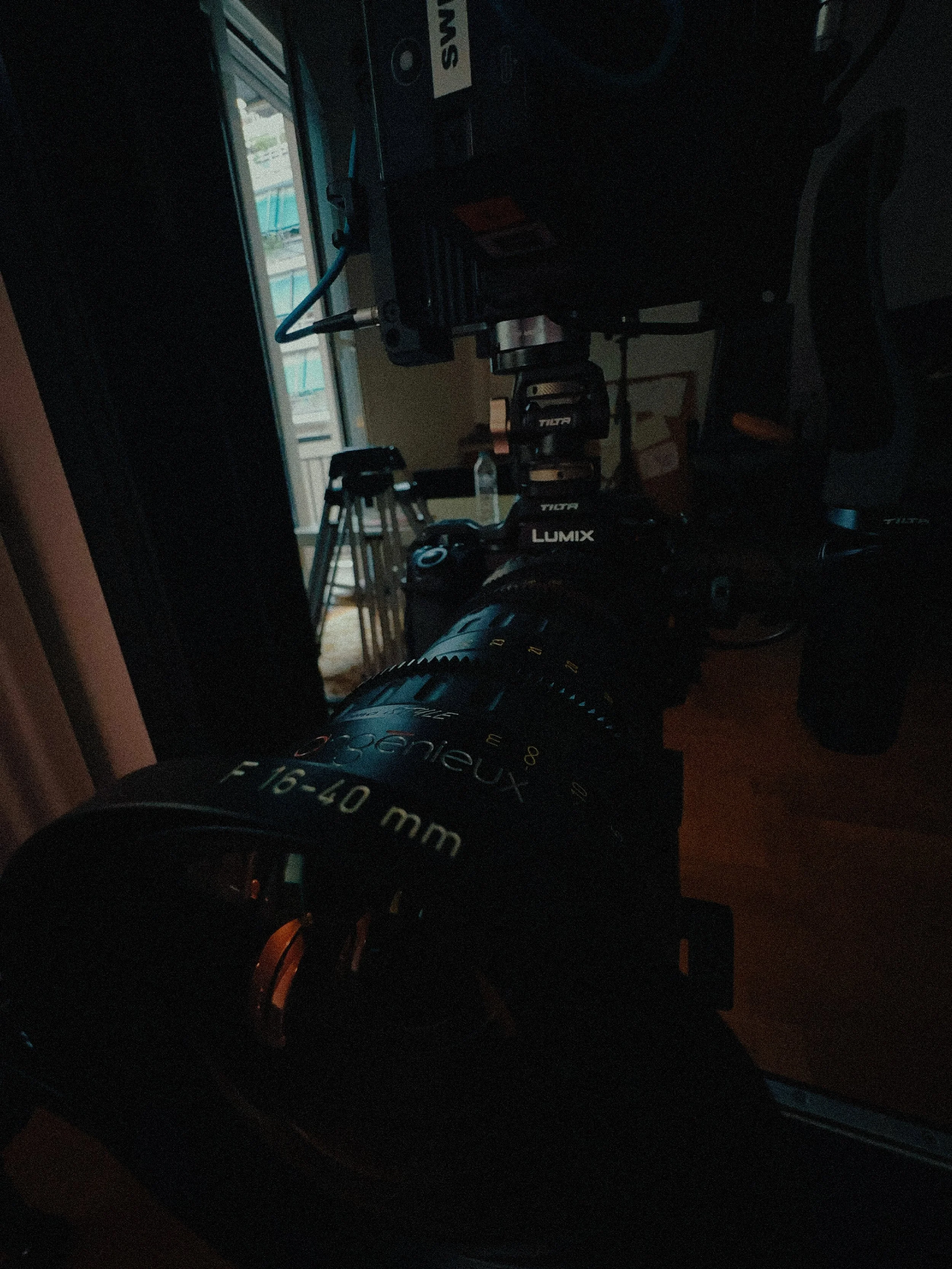
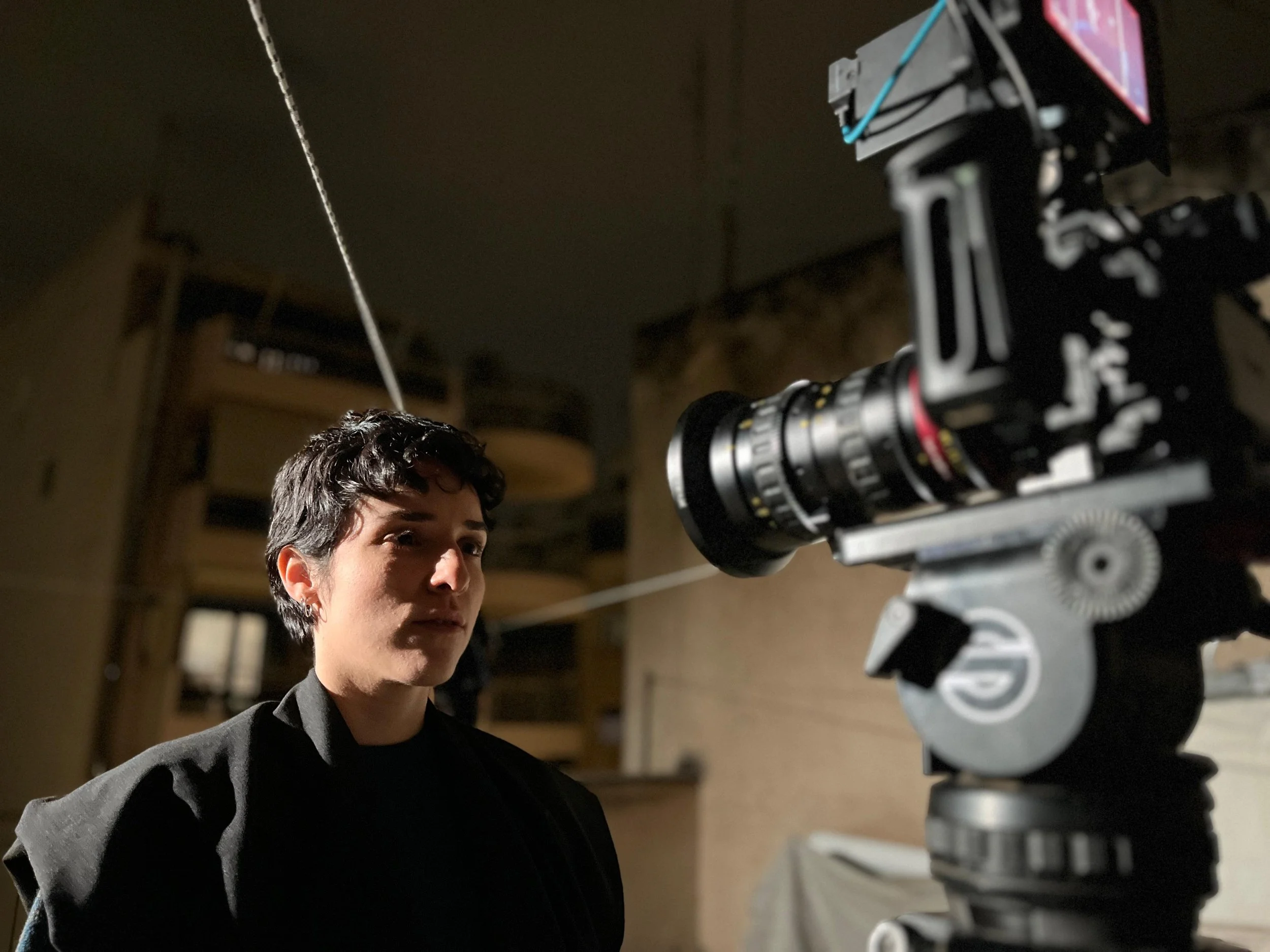
Fast forward 2 years and the Maxima Rapida has come out. I've had my eyes on this 200w bi-colour super portable light over the last few months but I really wanted to make sure I had a production where it could be challenged in the right way. I had a production coming up in Athens, Greece. A project that involved filming a large number of scenes (both interiors and exteriors) over the course of three days that will form part of an audiovisual installation later in 2026. I had a small camera package (Lumix S1R mk II paired with Angenieux Optimo Style zooms) and room for a light, diffusion, some filters and small gadgets in a Peli Air 1535 hard case. Nothing more nothing less.
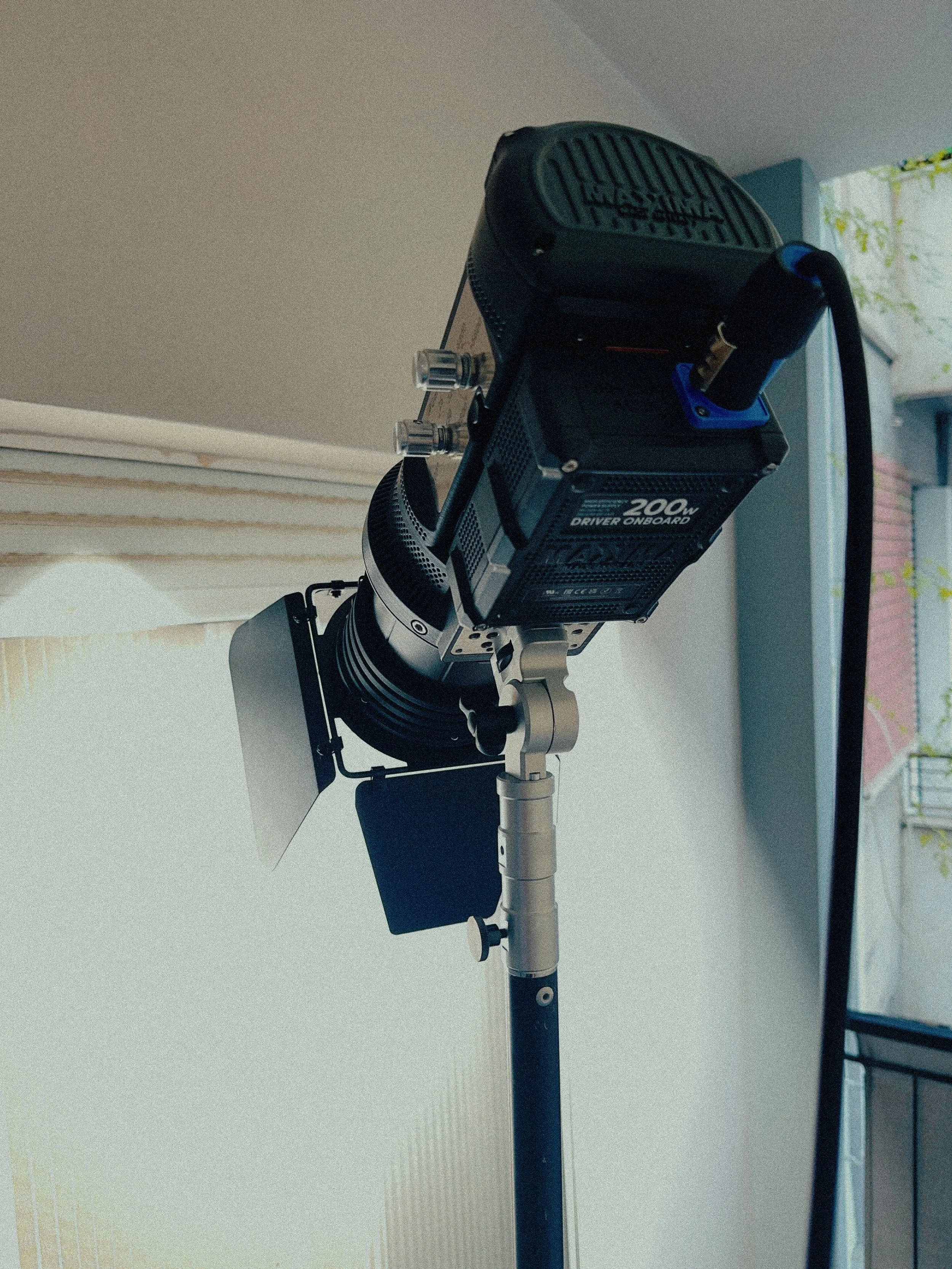
Maxima Rapida comes in a small soft bag with a detachable driver module that is attached to the V-lock plate underneath the light fixture. If you want it fully portable you remove the module and attach a V-lock battery directly onto the light. In this particular project I had access to 220v power so i predominantly used it with AC power. With the light i also brought a 20 degree spot optic and a 70 degree wide optic in addition to barn doors. Small in size and quick to attach.
Now, this is not a review and I am not biased towards any brand that I use. As I mentioned, I am not easily flattered. In my work things just need to work and deliver what I expect from them. Of course there is a period of testing prior to any production to make sure everything is operational as intended and functionality tested. Once you are on set things have a tendency to be absorbed into the making of images and telling of stories.
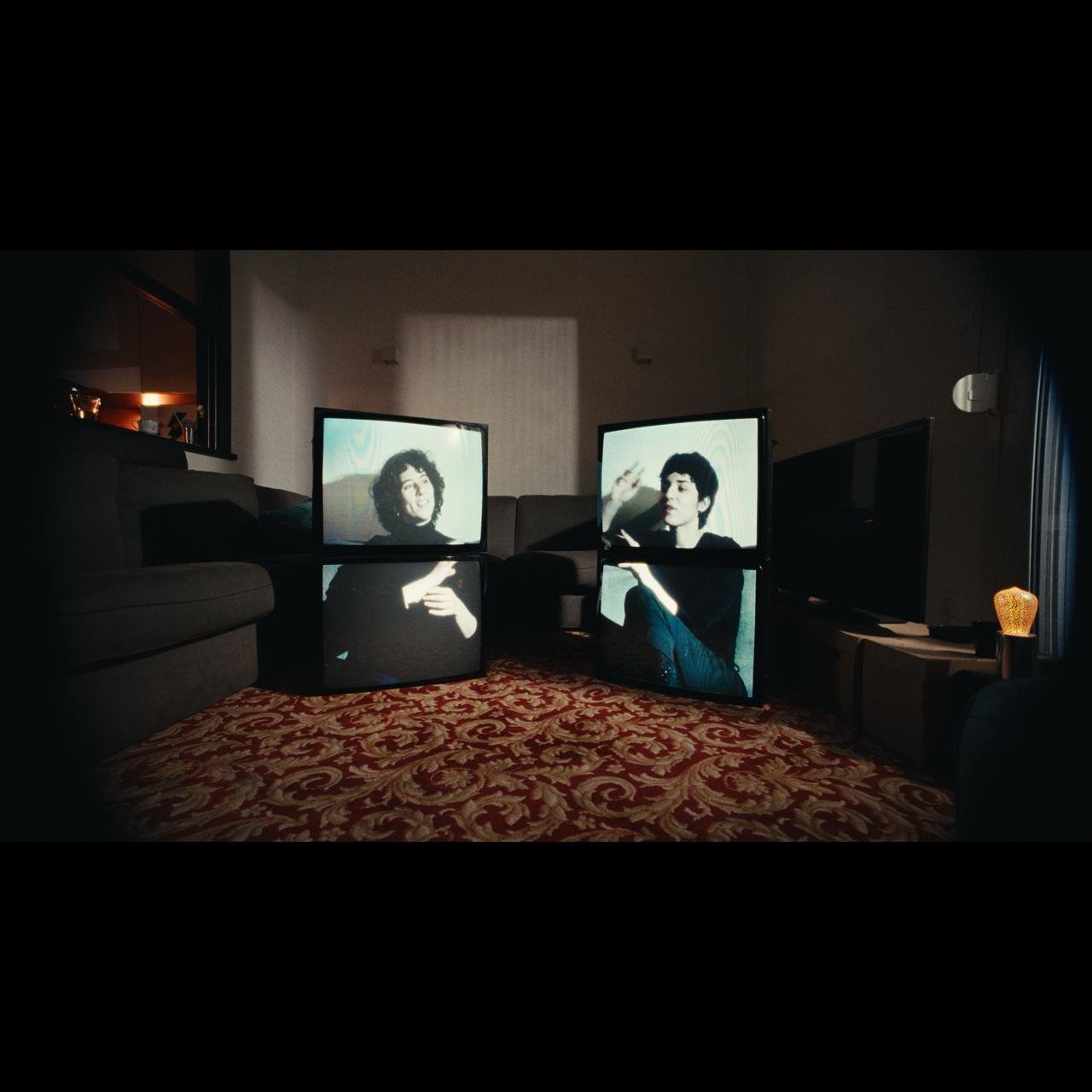
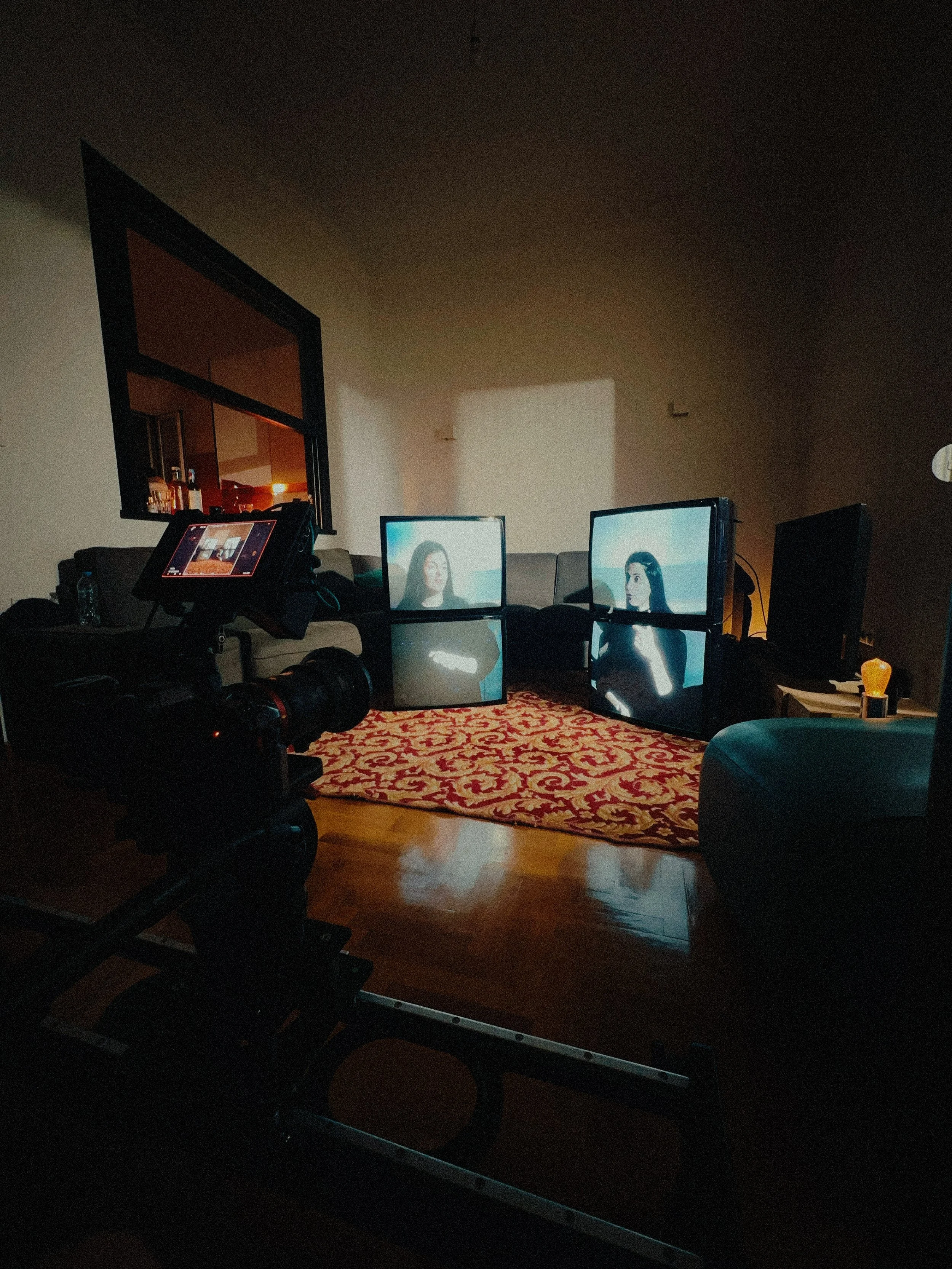
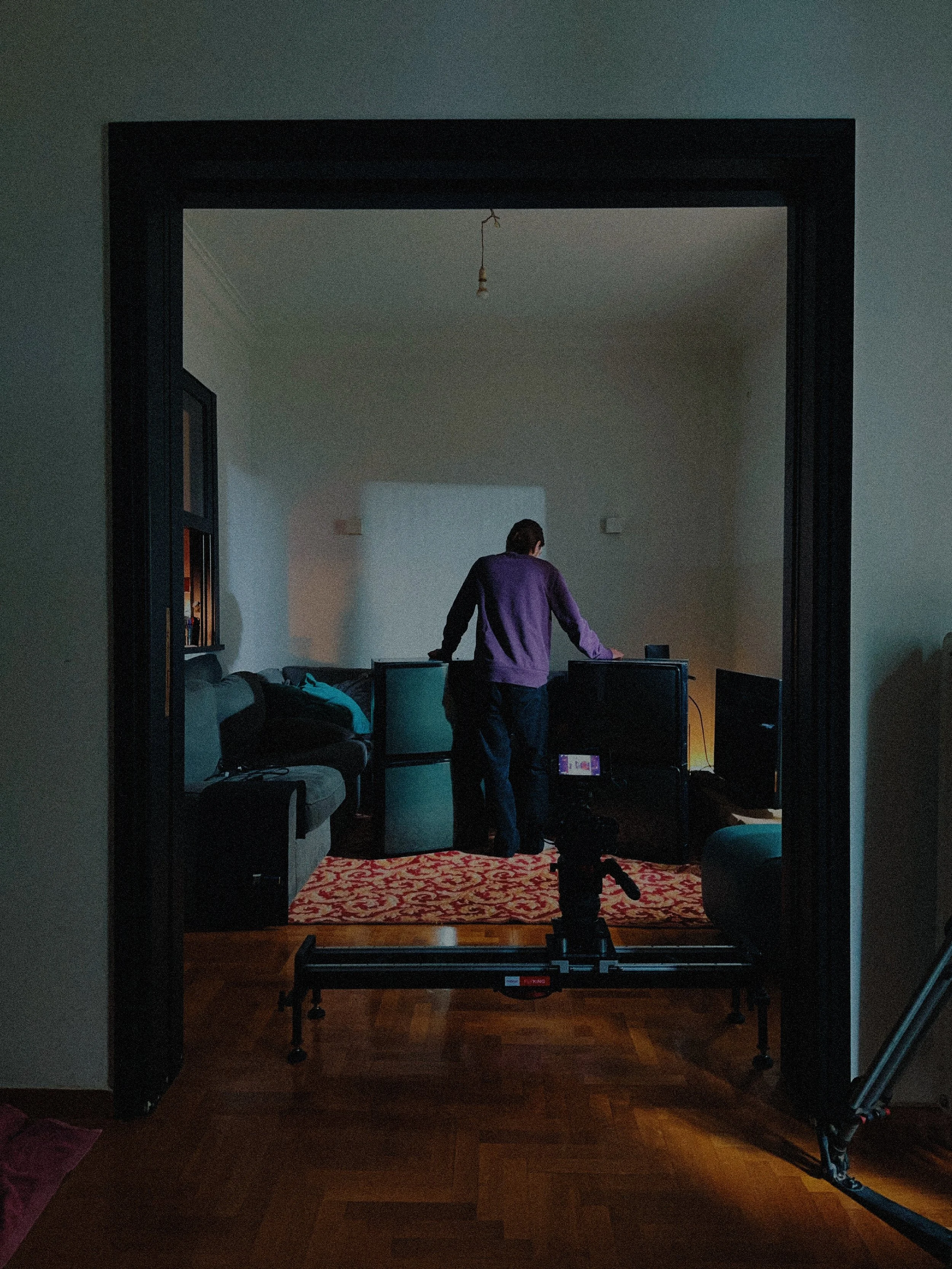
In the first scenes we filmed I needed the light to behave like a backlight for a tower of old TVs that we used for mapping up previously filmed material. The light was used to create separation from the walls of the room while also adding some needed fill, essentially adding ambience in an otherwise dark room (we set it to ca 3200K).
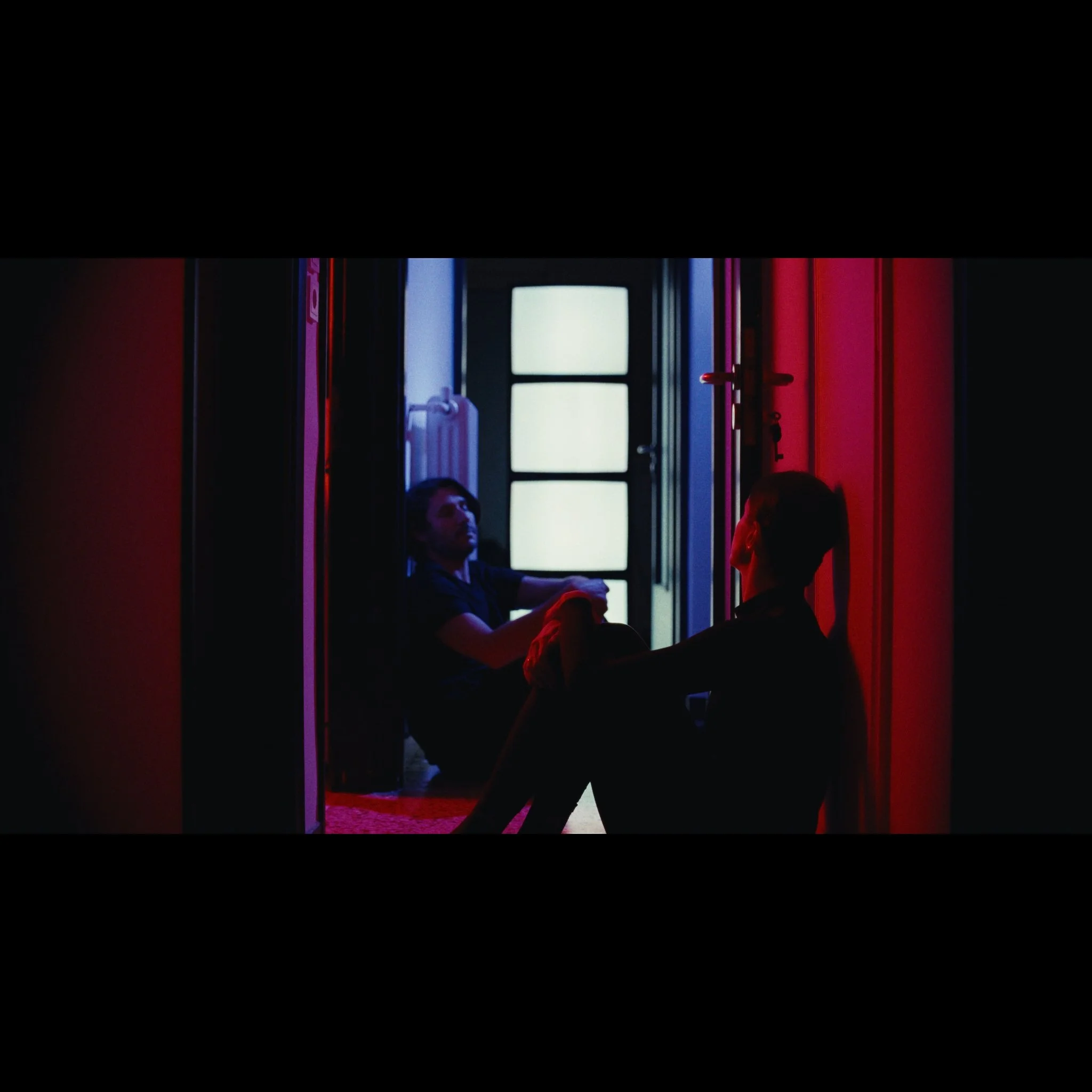
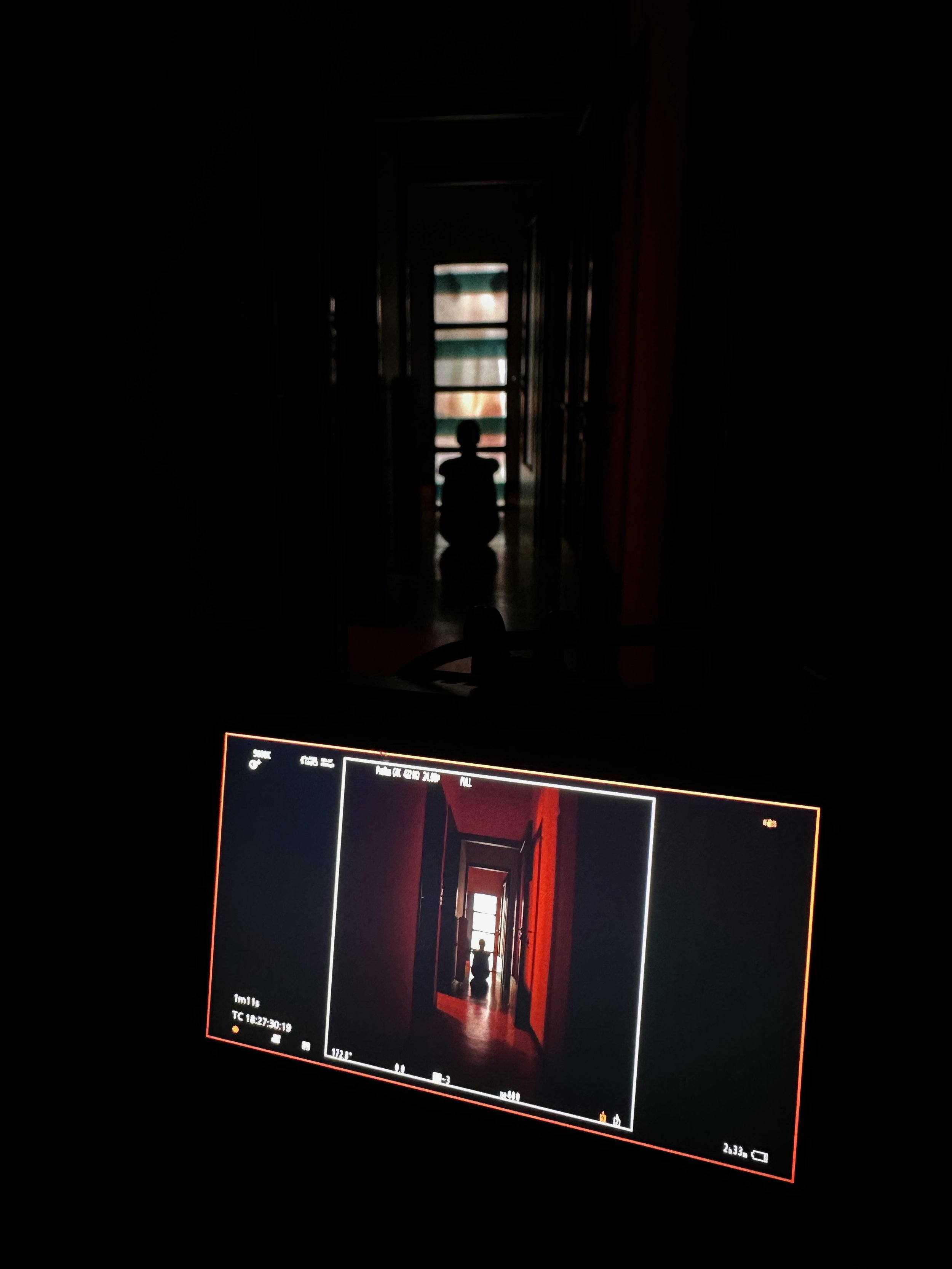
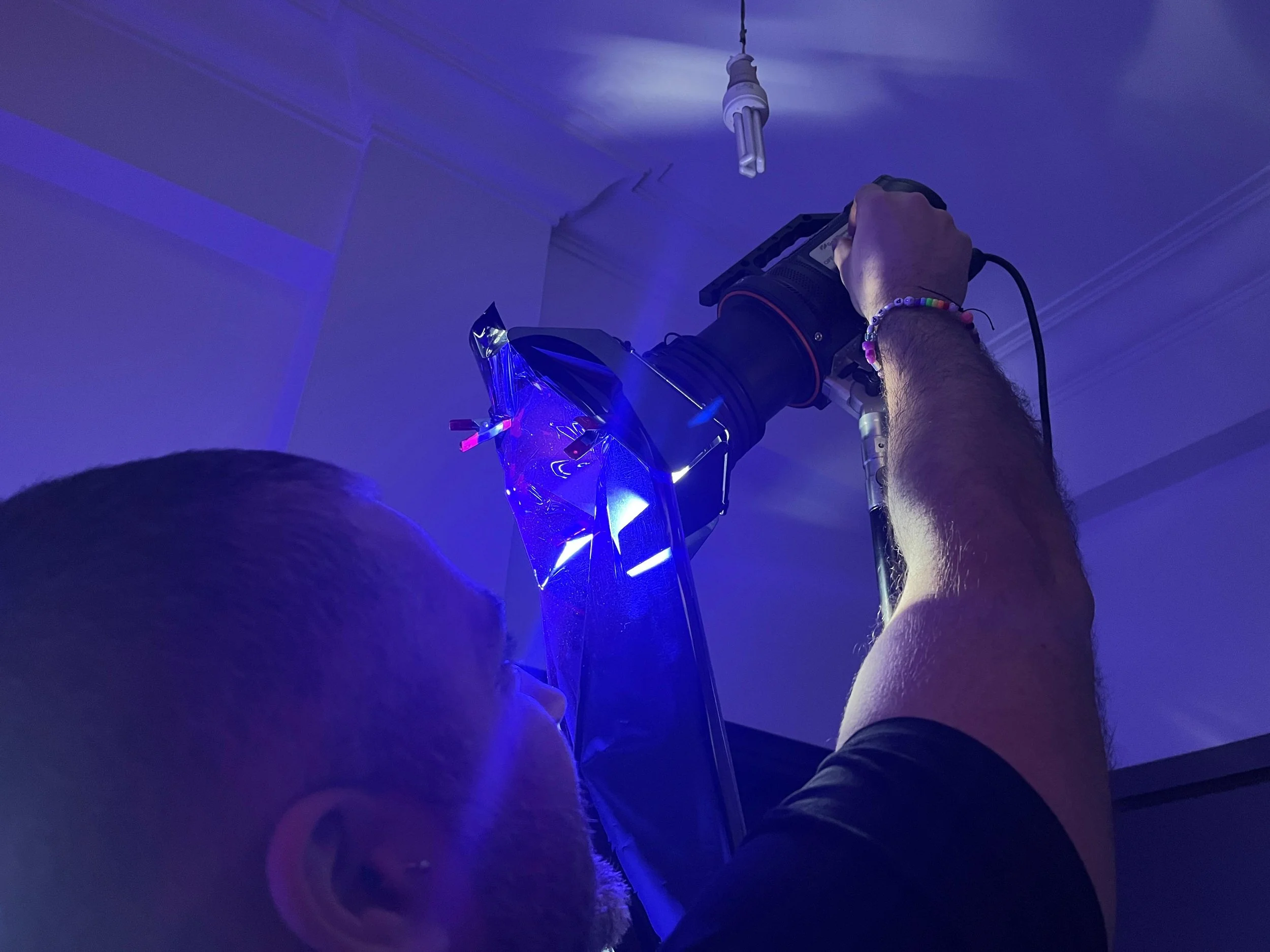
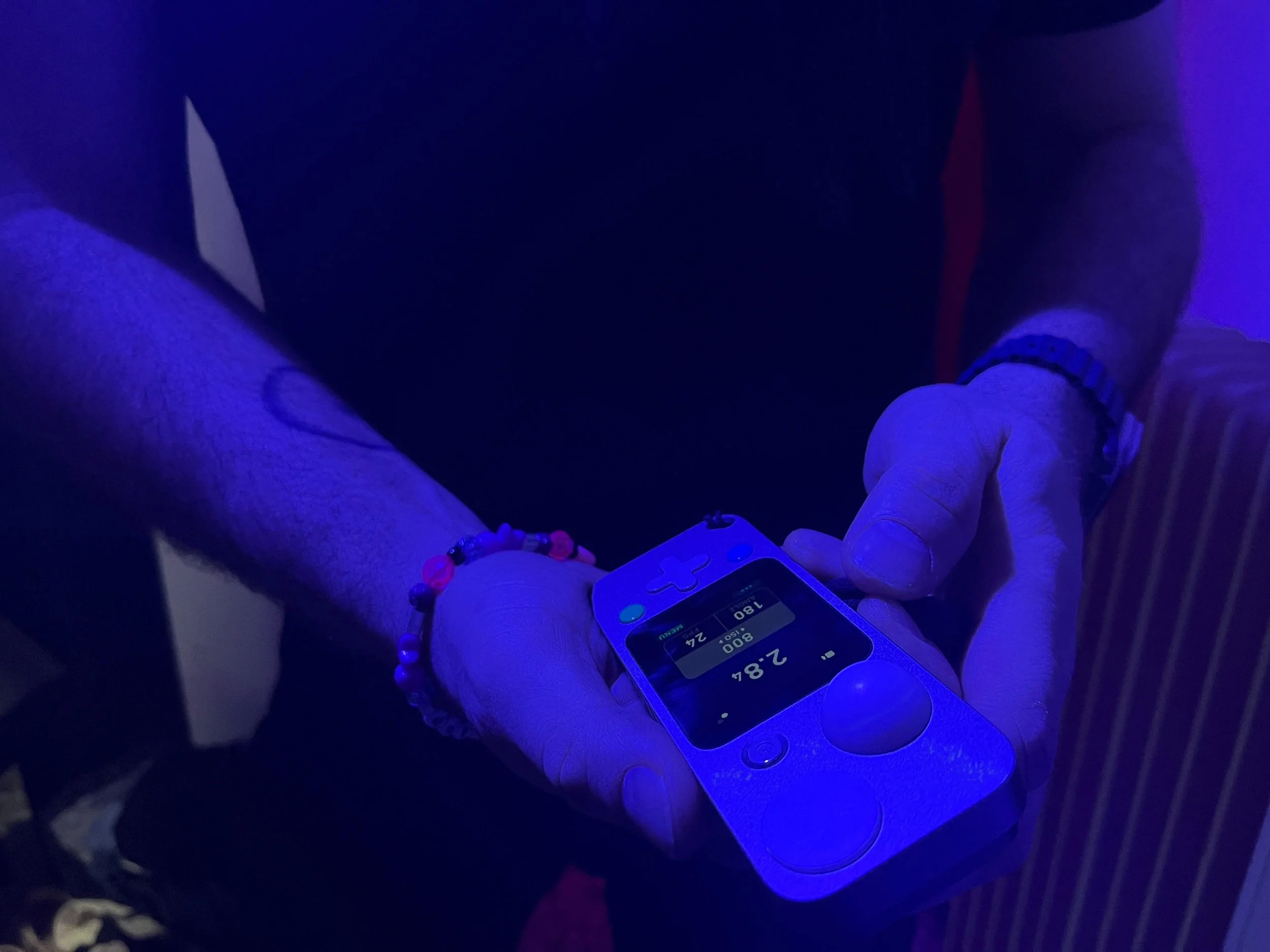
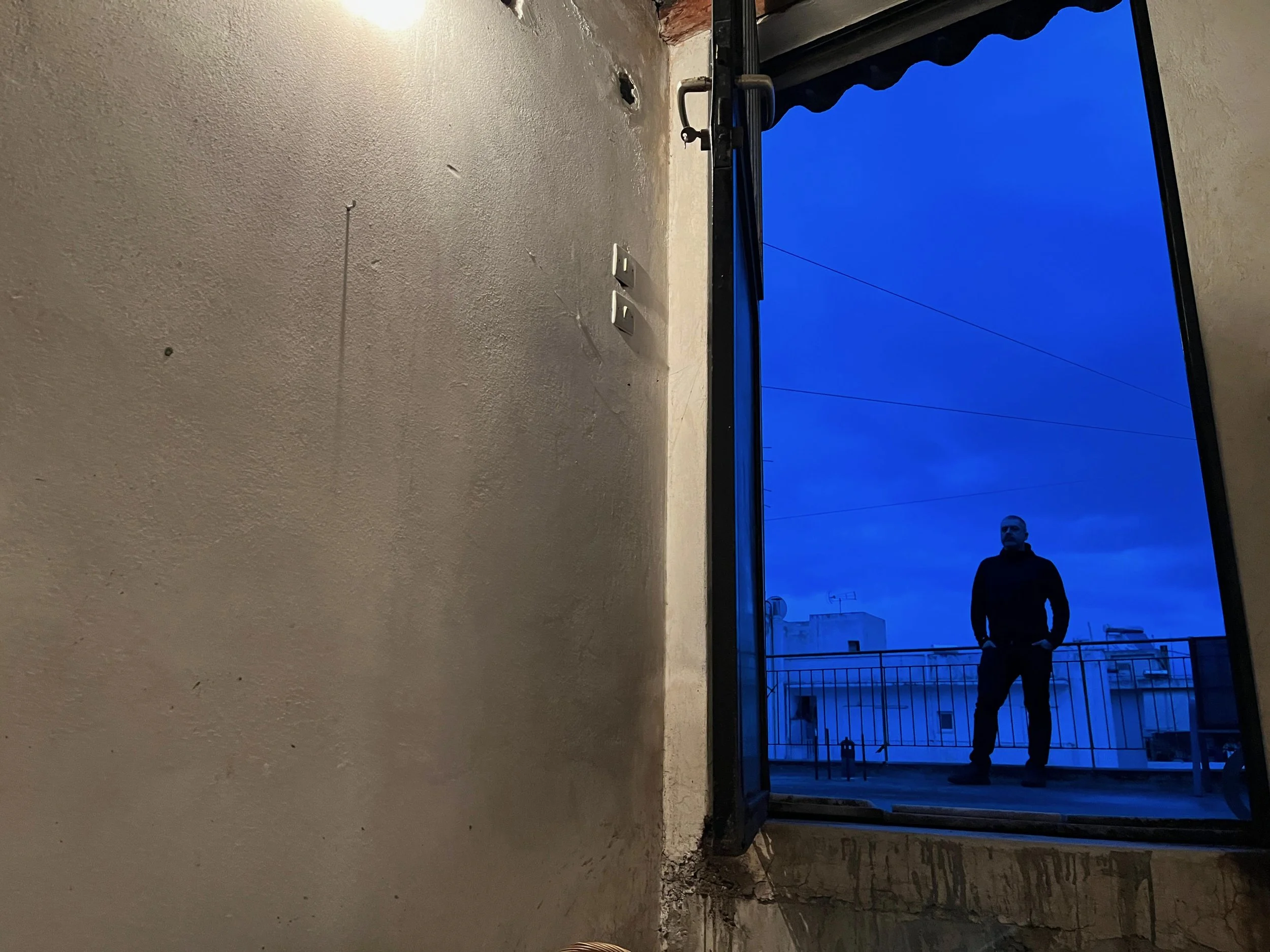
Next up we wanted to utilise the hall in the apartment where two of our actors would interact as well as perform solo choreographies. The hall by itself is quite dark and we decided to mix up some colour gels in the mix to create both separation and depth through this passage. I used two Rosco filters, Storaro Indigo and Storaro Red. Indigo was attached to the barn door of the Rapida while the red filter was mounted in the kitchen shining into the hallway. For reference, I set the Rapida to 5600K at full blast through the filter that has about a 4,7 stop loss (4% transmission). Even then I had a happy T2.8 coming through at my actor when measured for a ISO of 800. Great!
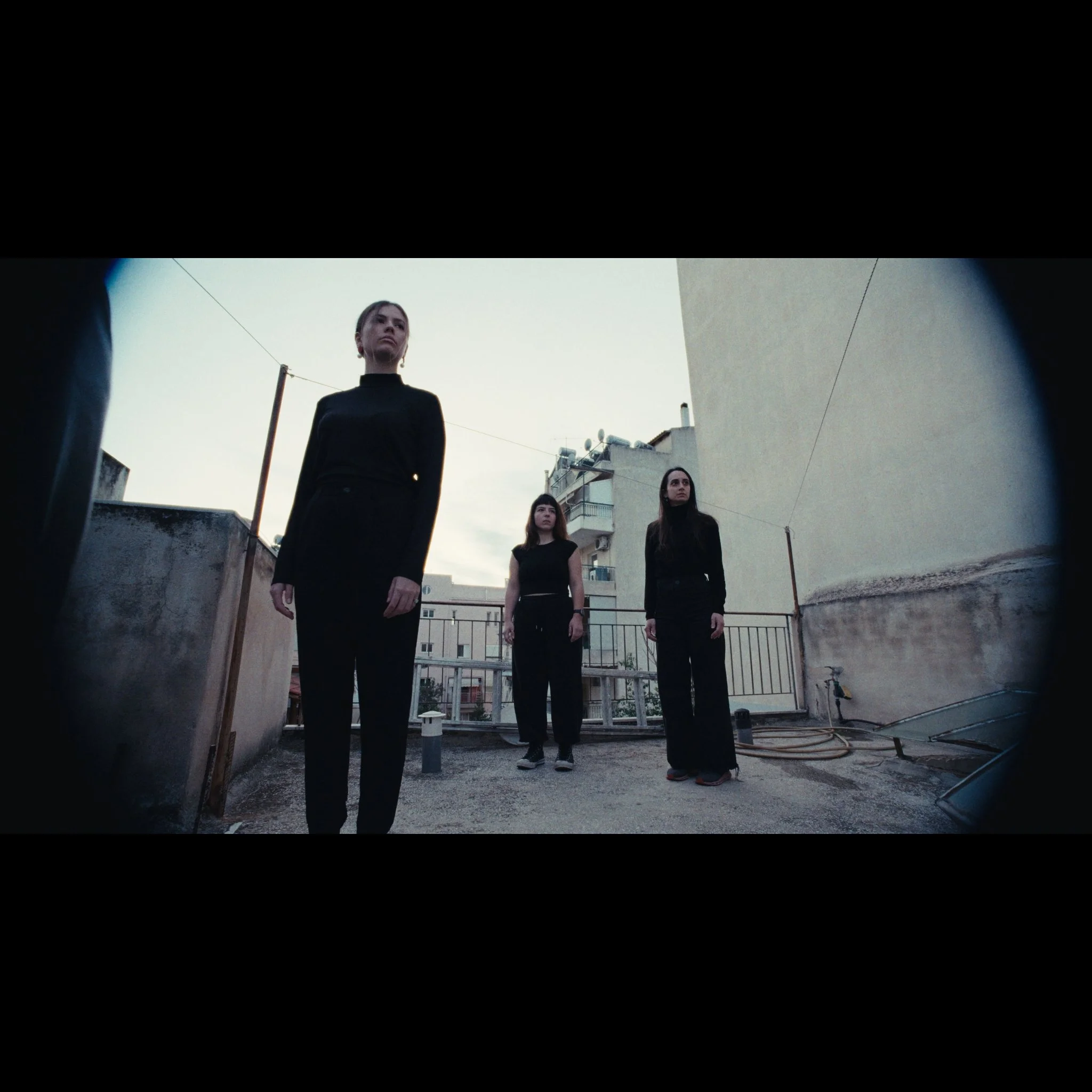
In the next scene I decided to use the Rapida as a (daylight 5600K) key light outside of the apartment, shining at full blast through sheers. For this I attached the 20 degree spot optic to get maximum punch. Although we had daylight outside giving some vague interior ambience (from the sun) the Rapida gave use an additional character to the room and highlights on both the actors in the room as well as on the back wall. Even when the sun eventually set we continued to have the same look and feel in the room. A simple trick perhaps but being able to extend the day is extremely valuable.
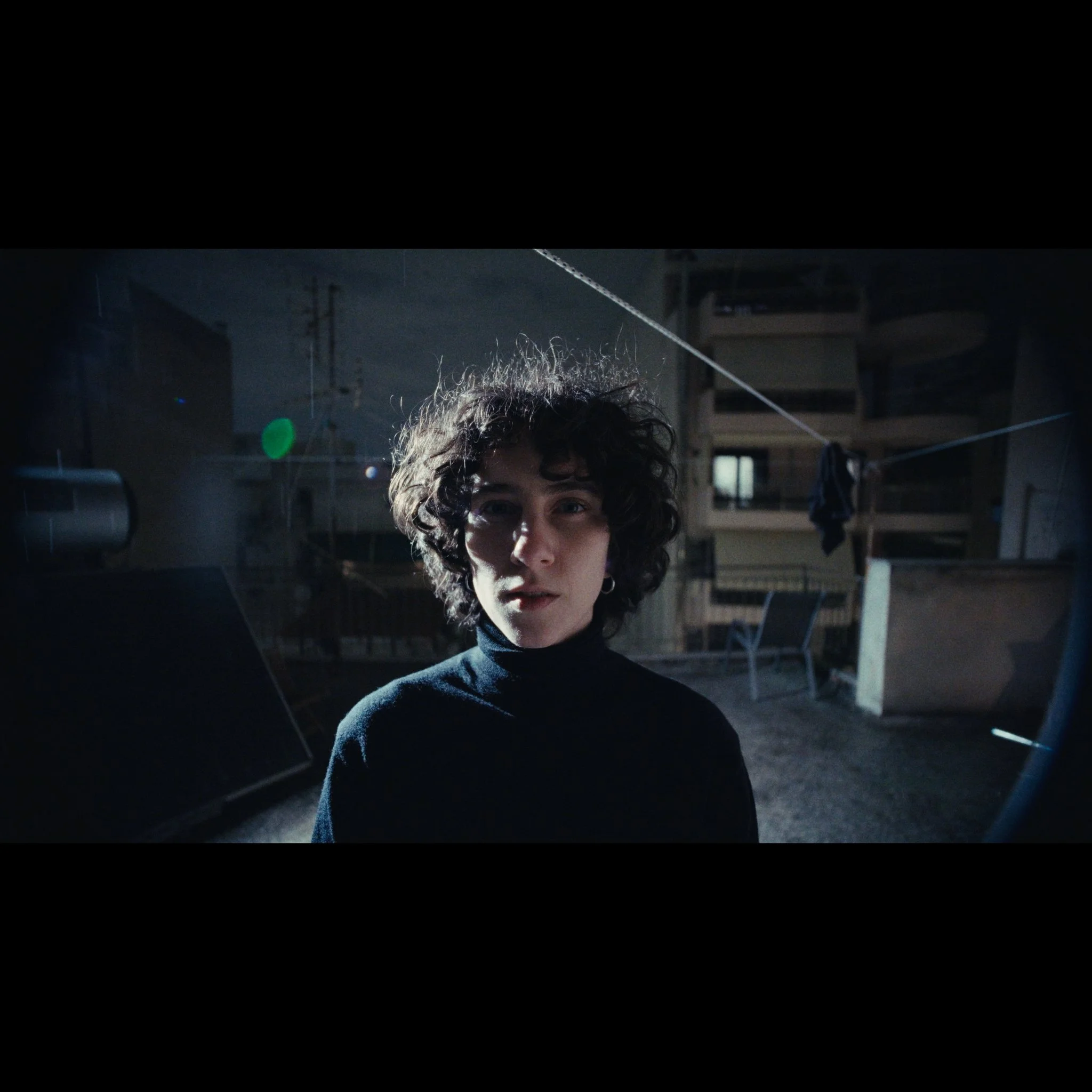
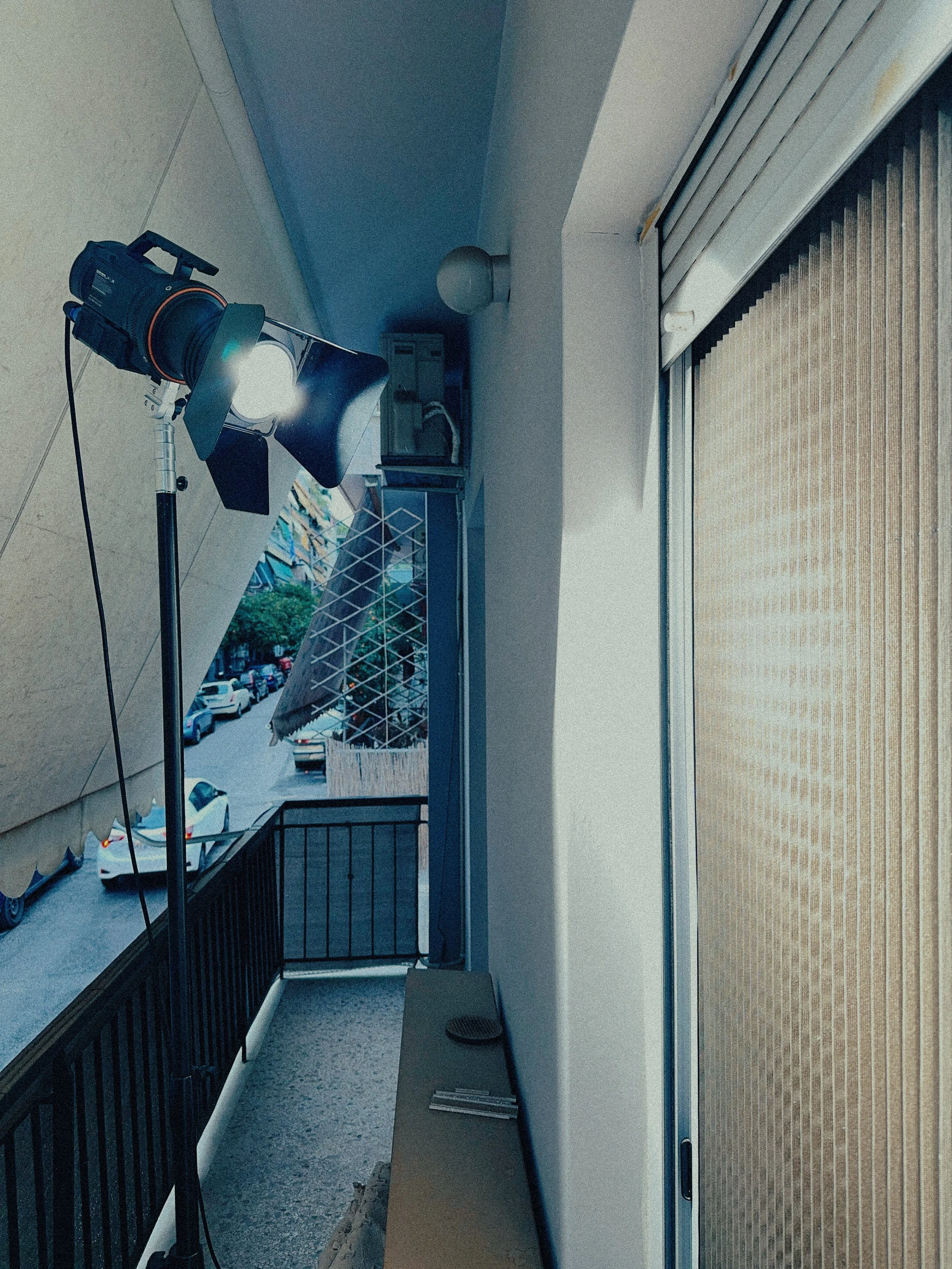
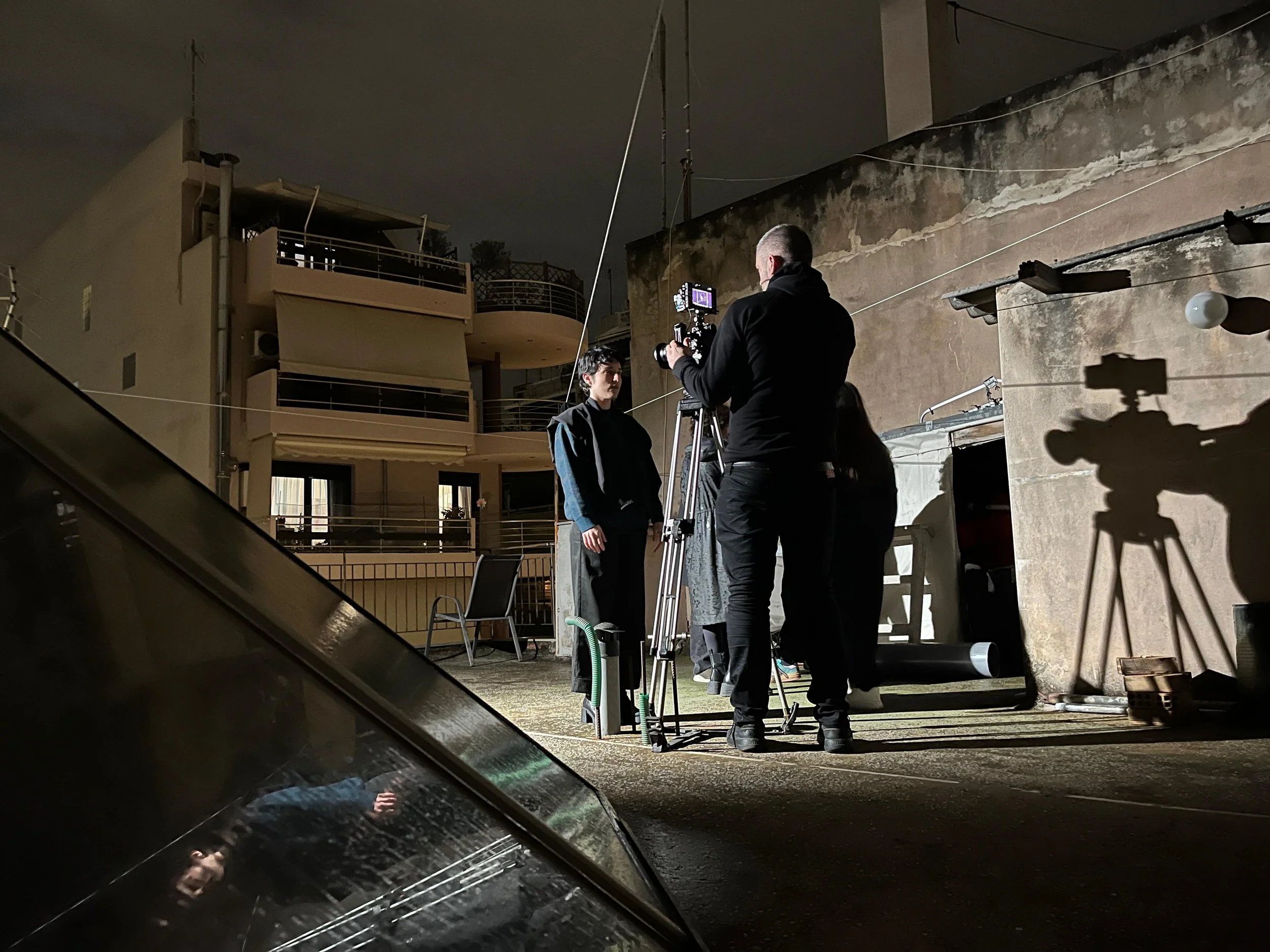
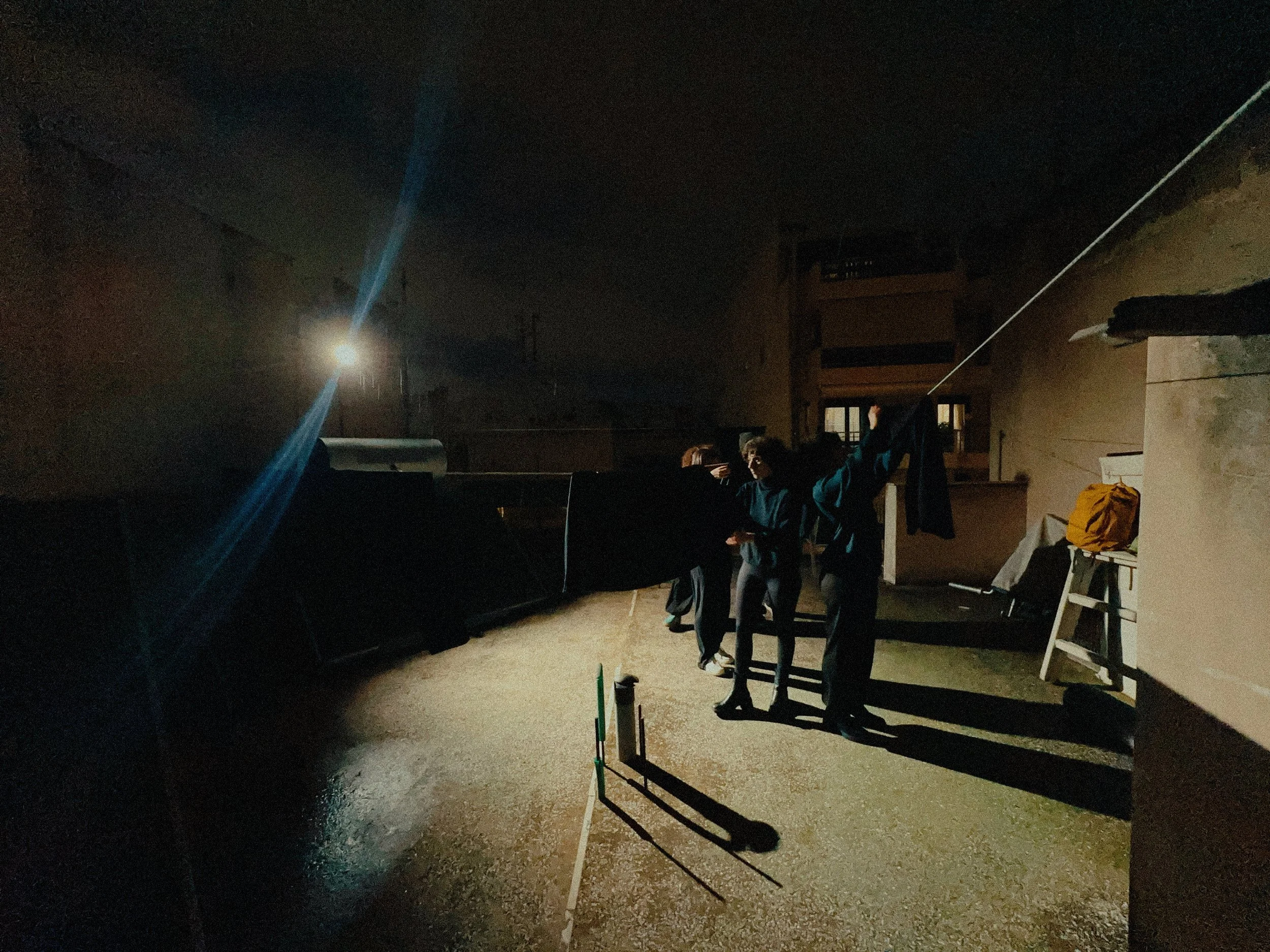
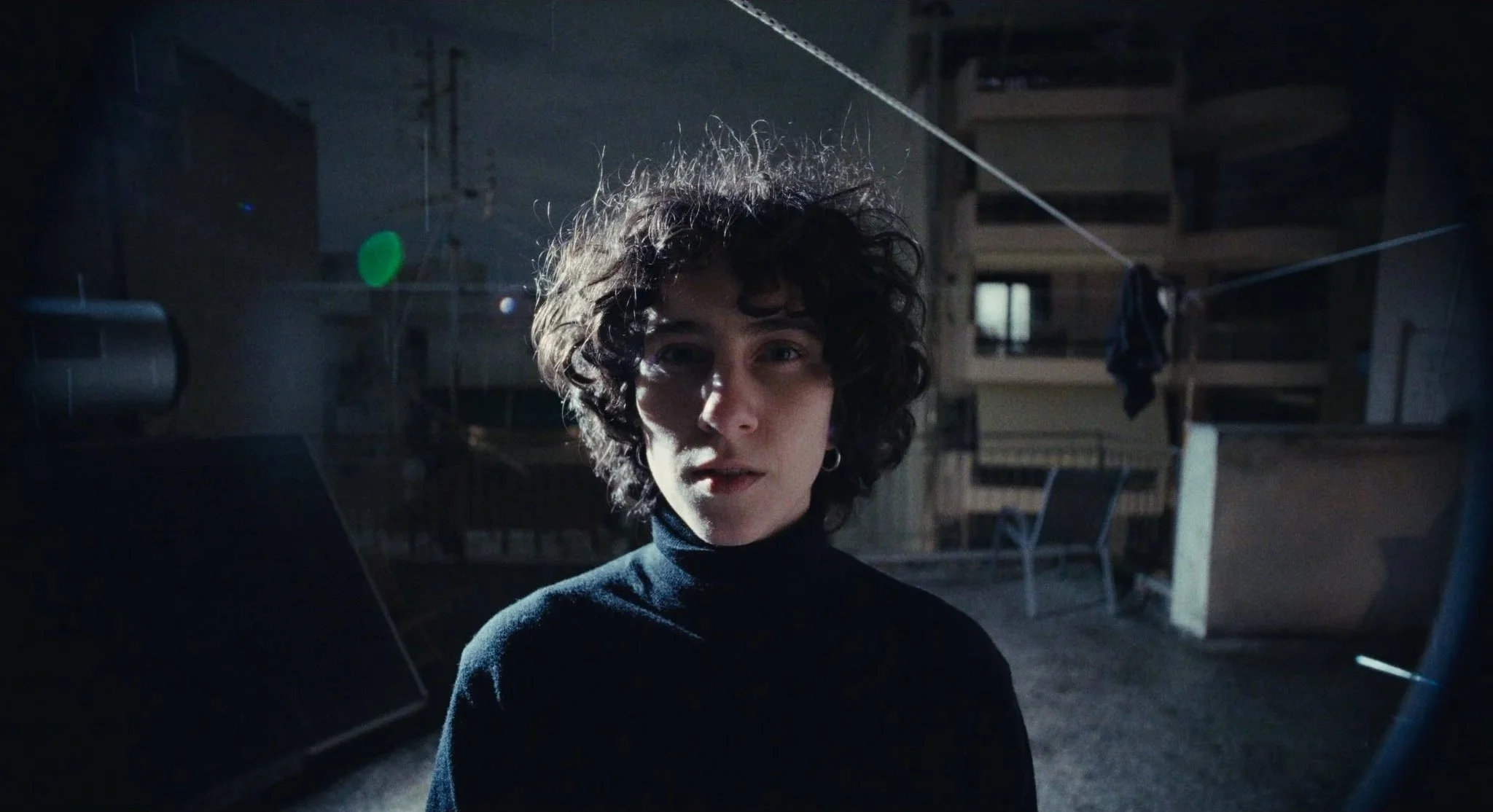
Lastly it was time for the night terrace scene. We were expecting rain for the evening and rain did come like clockwork! I ensured with Enrico at Maxima LED that these have been properly tested in rain and that we shouldn't have any problems with water. So with that in mind (and secure cabling) I decided to set up the Rapida as an extension of a possible streetlight (although Athenian street lights are really a mix of temperatures) with focus on providing a backlight for the rain to be visible and providing actors with backlight as well as bounce from the various surfaces on ground and walls. Also here we used the 20 degree spot optic with barn doors. The fixture was notably wet after the shoot but quickly dried up and ready for another day.
I really come back to the idea of a simple solution that does something well. I have other lights too, including Kino Flo's, Litepanels but also classical tungsten and HMI's too. I'm impressed by new light fixtures that are capable of doing a lot but a tradeoff that I often come across is size, weight and complexity (as the amount of functions increase). If we are to talk about minimalism Rapida perhaps wins the price with two knobs, one for power output and the other for white balance. Does it have to be more complex than that for something that emits great quality light? (Again, i did check with my spectrometer and the curve looked great!).
Now, if there is one thing i stumbled across that could have been better. It's hard to be precise at very low output levels with a knob and it seems that the curve the light operates on when you increase power isn't perfectly smooth like a gradient. I don't think I will find myself in this scenario very often so I can't claim it to be a problem - but I know others would complain about this. Also, coming back to my previous point of a light fixture doing something well. I had a great experience with the Rapida and will absolutely consider it as a part of my lighting kit. Can other lights do the same? Sure, in similar packages. But this one resonates with me, simplicity in a small package.